



Description
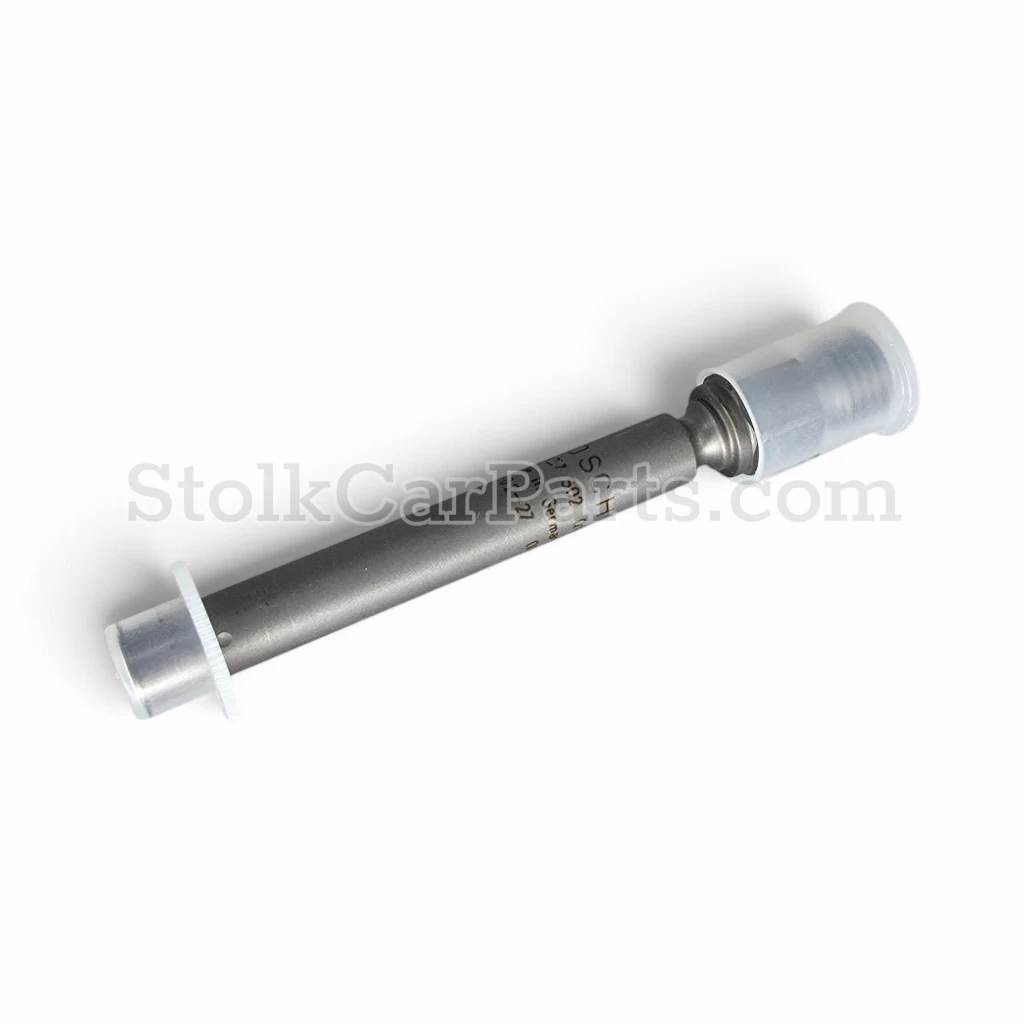
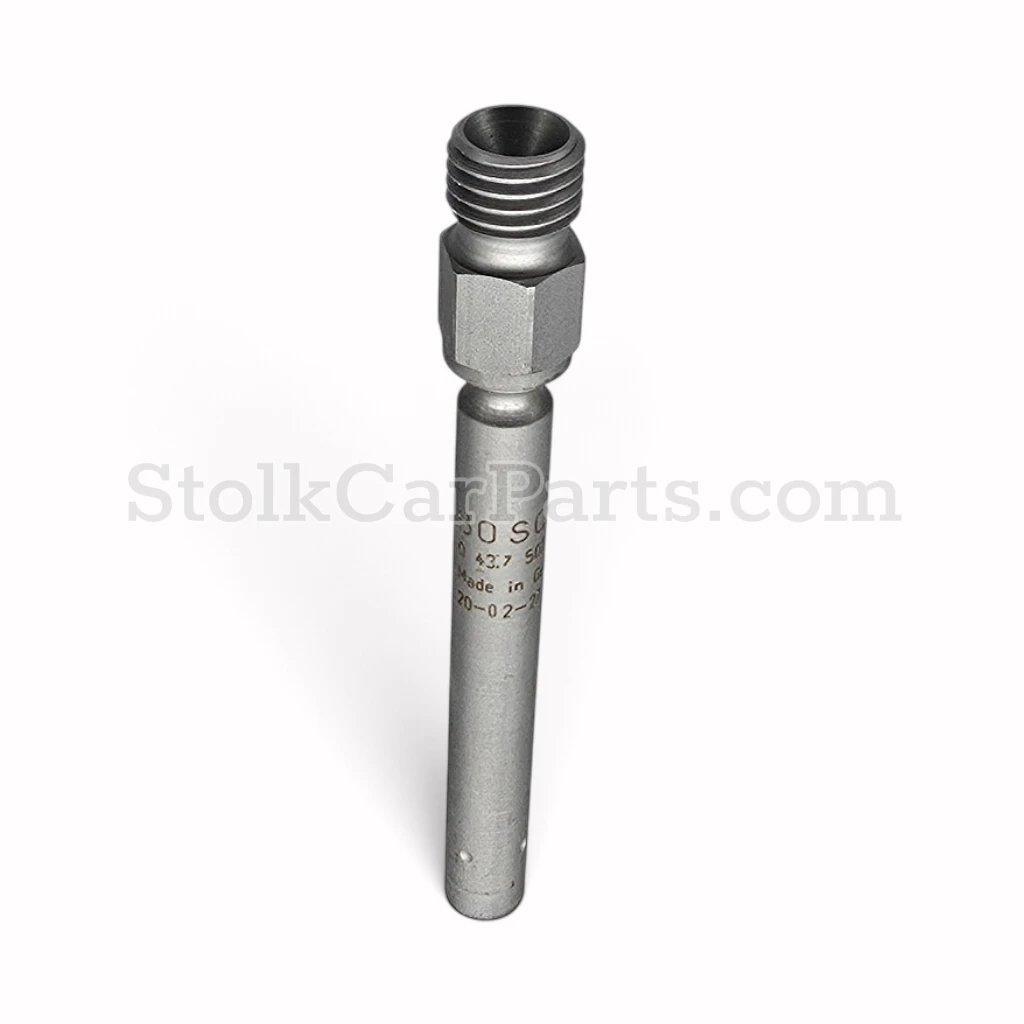
Bosch K-Jetronic fuel injector – Porsche 928 4.5 and 928 S 4.7 V8
This original Bosch fuel injector 0 437 502 012, also known as injection valve or fuel injector mentioned, is suitable for the Porsche 928 with 4.5 and 4.7 liter V8 petrol engine and the Bosch K-Jetronic injection system.
With K-Jetronic, fuel is injected mechanically and continuously. The injector opens at a specific fuel pressure and ensures a fine atomization of the gasoline in the intake manifold.
Due to age, wear, or contamination, the spray pattern, opening pressure, and sealing of the injector can deteriorate. This can lead to starting problems, irregular idling, poor acceleration, increased fuel consumption, and uneven engine operation.
This part is sold individually.
Suitable for Porsche models
Porsche 928
• 928 4.5 – M28.01, M28.02, M28.09, M28.10 – 09.1977 to 08.1982 – 177 kW, 241 hp
Porsche 928 S
• 928 S 4.7 – M28.11, M28.12 – 09.1979 to 07.1983 – 221 kW, 301 hp
Specifications
- Brand: Bosch
- Product: mechanical fuel injector – injection valve
- Bosch part number: 0 437 502 012
- Porsche OEM number: 92811022500
- Injection system: Bosch K-Jetronic
- Fuel type: petrol
- Engine types: M28.01, M28.02, M28.09, M28.10, M28.11 and M28.12
- Number of injectors per engine: 8
- Sale: per piece
Examination and diagnosis
- First check the cause of the malfunction. Starting problems, irregular idling, and poor acceleration are not always caused by defective injectors. Abnormal fuel pressure, false air, or problems with the warm-up control can also cause similar symptoms.
- Check the spray pattern. A properly functioning injector must atomize the fuel evenly and finely. A crooked, irregular, or dripping spray pattern can adversely affect combustion.
- Check the opening pressure. The injectors must open at the prescribed pressure. Large differences between the eight injectors can cause uneven fuel distribution.
- Check for dripping. An injector must seal properly after closing. Injectors that drip after closing can cause warm-start problems, among other things.
- Also check the other components of the K-Jetronic system. Think of the fuel distributor, warm-up regulator, fuel pump, pressure accumulator, and the fuel filter.
Installation advice
- Replace the rubber seals. We recommend replacing the corresponding sealing rings when replacing the injectors. Aged or damaged rubbers can cause false air leaks.
- Check the injector holders. Check the holders for wear, damage, contamination, and a proper fit of the injector.
- Prevent pollution. Carefully clean the area around the injectors before they are disassembled. Ensure that no dirt enters the fuel lines or intake channels.
- Check the fuel system. Old gasoline, rust particles, and other contaminants can damage new injectors. Therefore, check the condition of the fuel and the fuel filter.
- Preferably check all eight injectors. When one injector malfunctions, the other injectors may also show signs of wear. By checking all injectors for spray pattern, opening pressure, and leakage, differences between them can be identified.
- Consider simultaneous replacement. When multiple injectors are worn or have clearly different opening pressures, it may be wise to replace all eight injectors simultaneously.
- Check for leaks after installation. Carefully check the fuel lines, connections, and injectors before putting the car back into use.
- Check the engine settings. If the engine does not run properly after replacement, the fuel pressures, any false air, and the CO adjustment must be checked according to factory specifications.
Safety during work activities
The Bosch K-Jetronic system operates with fuel under high pressure. Depressurize the system according to workshop instructions before disconnecting fuel lines.
Work exclusively in a well-ventilated area, avoid open flames and ignition sources, and use suitable protective equipment.
NB: Mechanical K-Jetronic injectors must not be treated as electrically actuated injectors. Suitable test equipment is necessary to check opening pressure, spray pattern, and leakage.
Always check before purchase and installation whether the part is suitable and equivalent based on photos, description, and specifications; installed or used parts cannot be returned.


 Account
 categories
 Car filter
 To search
 Top